The Evolution of Visual Pedagogy: Understanding the Teacher Explaining Human Reproductive Systems
In the rapidly shifting landscape of modern education and digital content creation, few topics are as critical yet challenging to address as human biology. At the heart of this pedagogical shift is a specific visual archetype that has become synonymous with clarity, health awareness, and scientific literacy: the Teacher Explaining Human Reproductive Sy. This concept extends far beyond a simple classroom snapshot; it represents a sophisticated intersection of educational strategy, visual communication, and public health advocacy. For professionals in marketing, content creation, and educational technology, understanding the nuances of this imagery and the underlying methodology is essential for crafting materials that resonate with contemporary audiences.
Defining the Core Concept: Beyond the Classroom Walls
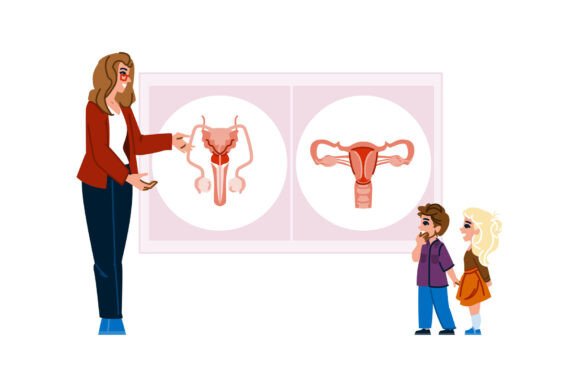
When we analyze the phrase Teacher Explaining Human Reproductive Sy, we are looking at more than just a description of a lesson plan. It encapsulates a moment of high-stakes communication where complex biological processes are distilled into accessible knowledge. In a traditional setting, this involves an educator standing before a whiteboard, utilizing anatomical diagrams of male and female systems to guide students through the intricacies of sexual education. However, in the broader context of the creator economy and professional development, this scenario serves as a powerful metaphor for transparent, evidence-based instruction.
This visual narrative is defined by three key elements: authority, clarity, and empathy. The teacher acts as a trusted authority figure, the diagrams provide objective clarity, and the context of a health-focused class ensures the delivery is empathetic and age-appropriate. For entrepreneurs and marketers, recognizing these elements allows for the creation of content that demystifies sensitive topics without losing scientific rigor. Whether producing e-learning modules, health campaigns, or documentary-style content, the essence of the Teacher Explaining Human Reproductive Sy provides a blueprint for how to handle delicate subjects with professionalism.
The Intersection of Education, Technology, and Market Trends
The relevance of this topic is deeply rooted in current industry trends. We are witnessing a global move toward comprehensive sex education (CSE) and a demand for health literacy that spans all demographics. As society becomes more digitally connected, the need for accurate information regarding human reproductive anatomy has surged. Misinformation spreads rapidly online, creating a vacuum that authoritative, well-structured content must fill.
How does this fit into the broader market?
- Educational Technology (EdTech): Startups and established firms are investing heavily in interactive 3D models and virtual reality simulations that replicate the experience of a teacher pointing to a diagram on a whiteboard. These tools aim to democratize access to high-quality biology education.
- Health Marketing: Pharmaceutical companies and wellness brands are increasingly using educational storytelling to build trust. The imagery of a knowledgeable instructor explaining systems fosters credibility, making consumers more receptive to health products and services.
- Content Creation: YouTubers, podcasters, and influencers in the science niche are adopting this format. By emulating the structure of a formal class—complete with visual aids and structured explanations—they can engage audiences who might otherwise avoid "boring" textbook material.
The trend is clear: audiences crave structure. The chaotic nature of social media feeds makes the organized, step-by-step approach of a Teacher Educating Children About Human Reproductive Anatomy highly valuable. It offers a sense of safety and reliability that is often missing from unverified online sources.
Why the Focus on Visual Diagrams?
Visual aids are not merely decorative; they are cognitive necessities. When a teacher presents diagrams of male and female systems on a whiteboard, they are leveraging dual-coding theory, which suggests that people learn better when information is presented both verbally and visually. In the digital realm, this translates to the importance of infographics, animated explainer videos, and interactive charts.
For creators and freelancers, this insight is crucial. Simply writing text about reproductive health is often insufficient. To truly engage the audience, one must visualize the data. The act of drawing or displaying a diagram forces the audience to focus on specific details, breaking down complex systems into manageable parts. This method aligns perfectly with the modern attention economy, where brevity and visual impact determine engagement levels.
Changing Expectations and the Demand for Transparency
Societal expectations regarding sexual education have undergone a profound transformation. The old model of "wait until you're older" or relying solely on parental guidance has given way to a demand for early, factual, and inclusive education. Parents, educators, and policymakers are now prioritizing curricula that cover not just the mechanics of reproduction but also consent, health maintenance, and emotional well-being.
This shift has created new workflows for professionals in the sector. Content creators can no longer rely on vague euphemisms. The audience expects directness. When a Teacher Explaining Human Reproductive Sy uses precise terminology alongside clear diagrams, it validates the intelligence of the learner and reduces stigma. This transparency is a competitive advantage in the marketplace. Brands and platforms that embrace this level of openness tend to build stronger, more loyal communities.
Furthermore, the definition of "health" has expanded. It is no longer just the absence of disease but includes mental health, body positivity, and informed decision-making. Consequently, the educational materials produced today must reflect this holistic view. A diagram of the reproductive system is now often accompanied by discussions on hormonal balance, fertility awareness, and preventative care, reflecting a more mature and nuanced consumer base.
Practical Applications for Professionals
How can entrepreneurs and marketers apply these insights? Consider the following practical examples:
- Developing Interactive Workshops: Instead of static webinars, create live sessions where experts use digital whiteboards to draw and explain concepts in real-time. This mimics the dynamic energy of a physical classroom and increases viewer retention.
- Creating "Myth-Busting" Series: Use the authority of the "teacher" persona to debunk common misconceptions about reproductive health. Pair this with side-by-side comparisons of myths versus facts, supported by anatomical visuals.
- Designing Accessible Resources: Ensure that all visual materials are inclusive and accessible. This means using diverse representations in diagrams and providing alt-text descriptions for screen readers, acknowledging that the audience is varied and tech-savvy.
These strategies demonstrate that the core principle of the Teacher Educating Children About Human Reproductive Anatomy is adaptable. It is not limited to K-12 schools; it is a framework for effective communication applicable to corporate training, public health campaigns, and personal branding.
The Future of Biological Literacy and Digital Storytelling
Looking forward, the role of the educator—whether human or AI-driven—will continue to evolve. As artificial intelligence integrates into education, we may see personalized tutors that can generate custom diagrams based on a student's learning pace. However, the fundamental need for a guiding voice remains. The human element of a teacher explaining complex systems with patience and clarity is difficult to replicate fully with algorithms.
For the creative industries, this presents an opportunity to blend technology with human-centric design. The future of health communication lies in hybrid models where high-tech visualization meets the empathetic delivery of a skilled educator. The Teacher Explaining Human Reproductive Sy will remain a potent symbol of this synthesis, representing a commitment to truth, health, and empowerment.
As we navigate an era of information overload, the ability to distill complex biological truths into clear, visual narratives will be a defining skill for leaders and creators. By embracing the methodologies found in effective sexual education classes, professionals across various sectors can contribute to a healthier, more informed society. The whiteboard, once a simple tool for chalk dust, has become a canvas for the future of human understanding.
Ultimately, the value of this approach lies in its capacity to foster dialogue. When we prioritize clear, visual, and respectful explanations of human anatomy, we empower individuals to take charge of their health. For businesses and creators, this is not just a moral imperative but a strategic one. In a world hungry for authenticity, the Teacher Explaining Human Reproductive Sy stands as a beacon of reliable knowledge, guiding us toward a future where health literacy is universal and accessible to all.